Showing posts with label Gemstone jewelry. Show all posts

Monday, February 8, 2016

February’s Birthstone: Amethyst

The month of February is typically cold and snowy. This second of twelve months of the year is also known for President’s Day, Valentine’s Day, and most importantly – its birthstone, the light purple amethyst. Considered a semiprecious stone, the amethyst can be set into many different types of jewelry, including rings and necklaces. Amethyst gemstone jewelry is very popular among many celebrities and jewelry collectors!

About the Amethyst
Amethysts are usually a very light shade of purple. It’s one of the few gemstones that isn’t naturally found in another color; for example, the sapphire can be many different colors besides its typical blue. This isn’t true for the amethyst – its shade range goes from light purple to deep purple, although in just the right light, you may see a little blue or red “flash” to the stones. Sometimes you may see piece of jewelry marketed as contained a green amethyst. This is incorrect, as these “green amethysts” differ chemically from their purple counterparts and are actually prasiolites, or green quartz. (They are still pretty, however!)
Amethysts are mined in the United States, Brazil, South Korea, Uruguay and Canada. These semiprecious stones have some interesting metaphysical properties, the most prominent of which is its supposed cure for drunkenness. This was one of the prime beliefs of the Ancient Greeks, who carved wine goblets out of large amethysts. The Ancient Egyptians admired amethysts and used them for jewelry, although they did not attribute any special abilities to wearing one.

Amethyst Rings and Bracelets
Due to the clarity and sizes available, the amethyst often either appears alone in rings, or serves as the central stone, surrounded by tiny diamonds or other accent pieces. Both of these types of amethyst rings tend to be powerful statement pieces, as the purple of the stones gives off a unique appearance. These are usually considered to be “cocktail” rings, and can thus be worn on different fingers and for many occasions. Amethyst bracelets usually appear as bangles, set in silver, gold of varying karats, or even platinum. If you really want to make an impression, wear an amethyst bracelet and an amethyst ring on the same arm and hand!

Necklaces and Earrings with Amethyst Accents
Amethyst earrings can either be of the dangle variety, complete with accent stones, such as diamonds, or small studs cut with many facets. In necklaces, however, the amethyst is usually set into a pendant, and strung onto a gold or silver chain. These pendants also can have diamond accents, or the amethysts can be left to stand alone, particularly if they are large and unblemished enough to stand out.
Although amethyst is the official birthstone of people born in the month of February, wearing it certainly isn’t limited to just that segment of the population. If you like this light-purple stone, wear it proudly! You’ll quickly find that your amethyst ring, necklace, bracelet, or pair of earrings goes with everything from work-wear to casual outfits. It truly is a versatile gemstone!

Friday, January 8, 2016

All About the Garnet – January’s Birthstone

For those born in the first month of the year, January, you have your choice of birthstones. There is the traditional birthstone, which is the garnet. However, if you go off of the zodiac, the birthstone for Capricorns is the ruby, whereas (and this is where it gets a little weird) the birthstone for Aquarians is the garnet. So, if you were born in the latter half of the month, the garnet fits into both categories. 

Speaking of the garnet, this classically colored deep-red stone is said to have energizing and cleansing powers. The Romans and the Anglo Saxons used it throughout antiquity both in jewelry and as decoration in sword hilts and similar ornamentation. One of the most interesting finds at Sutton Hoo – an Anglo Saxon burial ship that dates back to the 6th and 7th centuries – included cloisonné work with inlaid garnets, proof that the beauty of this gemstone has been appreciated for thousands of years.

The garnet can be found throughout the world, from the United States to Australia, including Turkey, Russia, Kenya, Finland, Tanzania, and India. It varies in color, with some shades, green for example, appearing rarely, making them more prized than the traditional deep red. It is not unusual to see black, yellow, orange, blue and pink garnet. However, the name “garnet” is derived from “garnet” which is Middle English for “dark red.” The word also has Latin roots, fitting, since the stone has been popular since ancient times.

Modern garnet gemstone jewelry combines both the classic beauty of the stone with interesting designs, fit for just about anyone, whether they were born in the month of January, or just enjoy its deep red color. There are heart-shaped garnets set into sterling silver rings, as well as pendants attached to gold linked chains. If you’d prefer to display your garnet alongside other stones, there are multi-gemstone rings that contain garnet, peridot, topaz, amethyst, sapphire, and citrine. Or, you might look at a ring, necklace or bracelet adorned with inset garnets and diamonds – those really sparkle! Of course, garnets can be found in earrings as well, either as simple studs or as dangles, alongside other gems.

Just as there are many different types of garnet jewelry, there are just as many opportunities to wear them. Garnet rings go well with evening gowns, work outfits, and the casual jeans and boots look. In fact, the same can be said about garnet necklaces, bracelets and earrings. It’s not about what you’re wearing – it’s all about how you wear it!

Monday, November 9, 2015

All About November’s Birthstone: Citrine

Every month has a birthstone, and November’s just happens to be citrine. The citrine is a yellowish-gold stone that is believed to have many different meanings and healing powers. On top of this, it can be made into many different types of jewelry, from rings to pendants. Unlike opal, which is believed to put a “jinx” on you if you wear it and it isn’t your birthstone, there is no such superstition about citrine. This means that no matter which month you were born in, you can wear jewelry made from it!

Citrine Basics
Citrine is a type of quartz. Quartz is a crystal that is quite abundant in the earth; it can be found in many different colors, all of which depend on its particular chemical composition. Some semi-precious stones fall into the quartz category. These include citrine, amethyst, carnelian, agate, jasper, tiger’s eye, onyx and chalcedony. Although quartz crystals have some industrial uses, the aforementioned varieties are primarily used in jewelry.

The citrine is normally a pale yellow color, but it can range from orange to brown to greenish-yellow and even gold. When the stone is cut properly and set into a pendant, ring, or other piece of jewelry, it can look a lot like a topaz. However, citrine and topaz differ in hardness, making it easy to tell them apart on that level. For the most part, citrine is found in Brazil and Spain, but it is mined in other parts of the world, as well.
Healing Powers and Other Meanings
Some New Age believes compare the citrine to the power of the sun. That is, it holds warmth and positive energy, and can make negative energy dissipate back into the atmosphere. The citrine can also help clear your mind, increase your self-esteem, and physically, improve your digestion. On a non-New Age level, the citrine is a traditional gift for a 13th anniversary.

Citrine Jewelry
Citrine gemstone jewelry is very popular and although citrine is considered a semi-precious gemstone, when cut properly, it looks amazing and can be pricey – but not as expensive as precious stones, like diamonds. For example, an 18 carat citrine set into a 14 karat gold ring with diamond accents costs around $2,600.00. When you compare that to the cost of an 18 carat diamond, the citrine looks affordable! Other excellent uses for the citrine include earrings (both dangling styles, as well as single stud ones), pendants, and even bracelets. Like the example above, citrine is usually used as the primary stone, with accents of diamonds and either sterling silver or gold settings.
Whether or not your birthday is in November, you can wear citrine jewelry. However, if you were born in this eleventh month, then you no doubt have an affinity for the gemstone.

Tuesday, October 6, 2015

Celebrate Your Loved One’s October Birthday with Her Birthstone: Tourmaline

October is known for many things: Halloween and Columbus Day are two that come to mind. Others include the weather changing to cooler temperatures, the leaves beginning to fall from the trees after changing colors, and, of course, tourmaline gemstone jewelry. Yes, tourmaline – the birthstone for those born in October. This gemstone is available in several colors, all of which fit this month of autumn perfectly.

About Tourmaline
Tourmaline is classified as a semi-precious stone. This puts it in the same category as garnets, peridots, aquamarines and tanzanite, among others. These stones are more commonly found in nature, and thus are priced slightly lower than other, more precious gemstones like emeralds, rubies and diamonds. However, it is just as beautiful, if not more so, than these precious stones.
Tourmalines come in a number of different colors, but the most common is a deep purple-red. Other options include black (known as shorl), brown (davite) and deep blue, shades of green, yellow, and colorless. The color of the tourmaline depends on the levels of sodium iron within it. Interestingly, tourmaline also is known to have magnetic and pyroelectric properties, as the stone attracts and repels recently burned ashes.
The stone is found in several different places throughout the world, including the United States (most notably in Maine), Brazil, Nigeria, Tanzania and Afghanistan.

Tourmaline Jewelry
Tourmaline gemstone jewelry comes in many different styles, including rings, earrings and necklaces. Often it is paired with other gemstones, such as diamonds. Since it is a semi-precious stone, tourmaline rings, even those surrounded by tiny, inset diamonds, are a more affordable option than other dual-stone rings. However, they are no less beautiful. One good example of this is a 5-carat tourmaline stone, set into an 18 karat yellow gold setting and surrounded by several carats worth of small diamonds.
Other jewelry made from tourmalines include necklaces featuring a semi-polished version of the stones. These are left “uncut” and closely resemble their natural form, as opposed to the highly polished sort found in rings and pendants. Since tourmalines are found in so many different colors, these types of multi-strung necklaces are striking when seen in person!

How to Wear Tourmaline
Unlike other birthstones, opal, for example, that are bad luck to wear if they aren’t your birthstone (for the record, opal is also October’s birthstone), tourmaline can be worn by anyone, no matter what month they were born. A beautiful tourmaline ring or pendant goes perfectly with everything from work clothing to a pair of jeans and some boots, as well as evening wear, making it a very versatile and interesting piece. 

Monday, September 14, 2015

September’s Birthstone: Sapphire Jewelry

Every month has a birthstone, based on early astrological associations. For those of you born in September, your birthstone is the sapphire, a blue stone that is mineralogically related to the ruby. Sapphire jewelry is the most common usage of this gemstone, as it appears in everything from necklaces to earrings, based on the size and composition of the stone.

About Sapphires
The sapphire is a primarily blue-colored stone that is found in many different countries, including Australia, Myanmar, Columbia, India, Kenya, Nepal, Sri Lanka, and the United States. The gemstone is categorized much like the ruby, and is therefore ranked according to its hue, tone and color saturation. Although sapphires are mostly blue in color, they can be also be green, purple, yellow, black and violet. There is also a type of sapphires called “star sapphires.” These stones are indeed sapphires, with one important difference – at their centers are a thin type of inclusion made up of a white-colored mineral that is related to titanium dioxide. This mineral forms a star-like shape that is visible through the sapphire’s exterior, hence its name.

Sapphire Necklaces and Bracelets
Sapphire necklaces can be designed in one of three ways: they can consist of a single sapphire suspended from a chain, or they can be set into a larger pendant alongside other stones, such as diamonds. (This pairing of clear diamonds and deep blue sapphires is a popular one.) The third idea, called a “tennis necklace” after the popular style of bracelet, consists of many smaller sapphires inset into a series of links that are connected into a chain. Bracelets are also designed in this manner, although some can feature the sapphires merely as large accent stones, meant to overpower the smaller diamonds inset into the links.
Sapphire Earrings and Rings
Sapphire earrings are designed as either simple studs (appropriate for smaller stones, as well as larger ones) or in elaborate chandelier styles. These earrings, like the pendants mentioned above, tend to have diamond accents. They dangle from your ears, go great with evening and formal wear, and tend to leave a large impact on anyone who sees you. Some sapphire rings also have diamonds inset alongside the larger, blue stone. They make excellent non-traditional engagement rings, in the style of the one given to Duchess Kate by her now-husband, Prince William. However, a sapphire ring can be worn on any finger, and used for any purpose: an anniversary or birthday gift, or a ‘just because I’m successful’ present.

You can wear the sapphire gemstone jewelry of your choice with just about anything. A necklace, bracelet, ring or smaller set of earrings (such as studs) can go with a dress, a work-related suit, or even a nice pair of jeans worn with boots while out on the town. It’s hard to go wrong with pieces that feature this classic gemstone.

Monday, July 13, 2015

The Ruby: July’s Birthstone and So Much More...

Rubies are considered precious gemstones, because they are fairly rare to find. The color of rubies tends to vary from shades of pink to red, with the darker and redder ones as the rarest and therefore, the most prized. Gemstone Ruby jewelry is just as varied; you can find anything from rings to necklaces featuring the stone.

All about Rubies
A ruby gets its color from an element called chromium. Chromium in its natural state is a silver-colored metal, but its mineral presence in the gemstone causes it to turn red. Rubies are almost as hard as diamonds, and have a number of industrial uses, including in lasers, but are best known as jewelry. The ruby is the birthstone for those born in the month of July, and the gemstone is known to have healing properties that affect the bloodstream. The stone can be mined in many places around the world – it has even been found in the United States – but the best come from Myanmar, the Republic of Macedonia, Kenya and Thailand.

Ruby Necklaces and Bracelets
Ruby jewelry comes in many different styles, depending on the size of the stone. Small rubies can be used as accents in a pendant or bracelet, alongside diamonds and other precious gemstones. Larger ones can stand on their own, as proved by their solitary presence in pendants of various sizes. These pendants are set in either 14K gold, platinum or silver. The price of them depends on two factors: the quality of the ruby (the darker the red and fewer the inclusions the better) and the type of metal that they are set in.

Ruby Rings and Earrings
The same is true for ruby rings, which can be a great alternative to the traditional diamond engagement ring. In fact, it is not unusual to see both diamonds and rubies placed into a platinum or gold setting. In these cases, either the ruby is the large stone at the center, surrounded by smaller diamonds, or they are in the opposite order. Both are stunning, and make for an excellent anniversary, birthday or holiday gift. Ruby earrings can come in two different styles: as ruby studs, which are smaller than the earlobes, or set into metal and left dangling for the world to see. No matter which type of ruby earring you choose, they are sure to help you stand out amongst the crowd.

How to Wear Ruby Jewelry
A ruby necklace or ring can easily stand out against an all-black outfit. For example, wearing a black pantsuit (or even black leggings with a matching top) will emphasize the red in the stone. The same is true for the color white. However, ruby jewelry can be worn with just about everything – from skinny jeans and flats to an evening gown and heels. Men can even get away with a subtle ruby ring or pair of cufflinks – this gemstone truly is versatile! 

Please visit 24diamonds.com for more ruby and other gemstone jewelry!

Monday, May 18, 2015

Show off your "sparkle" with gemstone jewelry


What’s your favorite color? Is it blue, green or red? Maybe purple or yellow? No matter what – you’ll find a piece of gemstone jewelry in that color; it may be a stunning bracelet, a necklace, a ring, or a pair of earrings, but the choice exists. Gemstones appear in every color of the rainbow, and many have important meanings – some memorable, like birthstones, others more spiritual, such as “strength” or “peace.”

Rubies, Sapphires and Emeralds
Each of this trio of vividly colored stones are the most popular, and are the first thing to come to mind when one hears the words "gemstone jewelry". They appear in all different types of jewelry, from bracelets to rings. Some even appear alongside each other, resulting in a brightly colored masterpiece for your wrist, neck or hand.
All three of these gemstones are also birthstones: rubies for July, sapphires for September and emeralds for May. However, you don’t have to limit yourself to the stone that represents your birthday; if you like red, wear ruby earrings; prefer blue, put on a sapphire bracelet; think green matches your eyes, choose an emerald necklace.

Peridot, Citrine, Garnet and Topaz


All four of these stones: peridot, citrine, garnet and topaz, have meanings beyond those of birthstones. Peridot, which are usually yellowish-green in color, are said to have healing properties, while yellow citrine can regenerate and cleanse. Garnets and topaz (the former a deep red stone, the latter a golden yellow or sometimes blue) have healing properties as well. Whether or not this is true is up to you, but what does matter is that they make great gemstone jewelry and are commonly found in rings and earrings.

Opals, Pearls and Quartz
Supposedly, it’s bad luck to wear opal jewelry if it’s not your birthstone (which is October, for the record.) However, if you like their iridescent beauty and don’t believe in that type of luck, then look for opal rings or earrings to add to your gemstone jewelry collection. Pearls are also slightly iridescent, as are certain types of quartz. Both can be found in necklaces and bracelets.

Tanzanite, Tourmaline, and Amethyst
Tanzanite is a fairly rare stone that comes in a striking shade of bluish-purple. They are usually found in gemstone rings. The same is true of tourmaline and amethyst –maroon and lavender stones, respectively. All three are birthstones (in order: December, October and February) and they each make a statement, regardless of what type of jewelry they are set into.

No matter the types of gemstone jewelry you prefer, wear them with pride. They make great accents to any outfit, and can go from day to night with ease. With so many different gemstones to choose from, you’ll have no trouble at all finding the right ones for your budget or style. Please visit http://www.24diamonds.com/gemstone-jewelry/ for a rich gemstone jewelry selection!

Tuesday, May 28, 2013

How to Wear Diamond Gemstone Necklaces & Bracelets

How to Wear Candy Colored Gemstones in All Shades
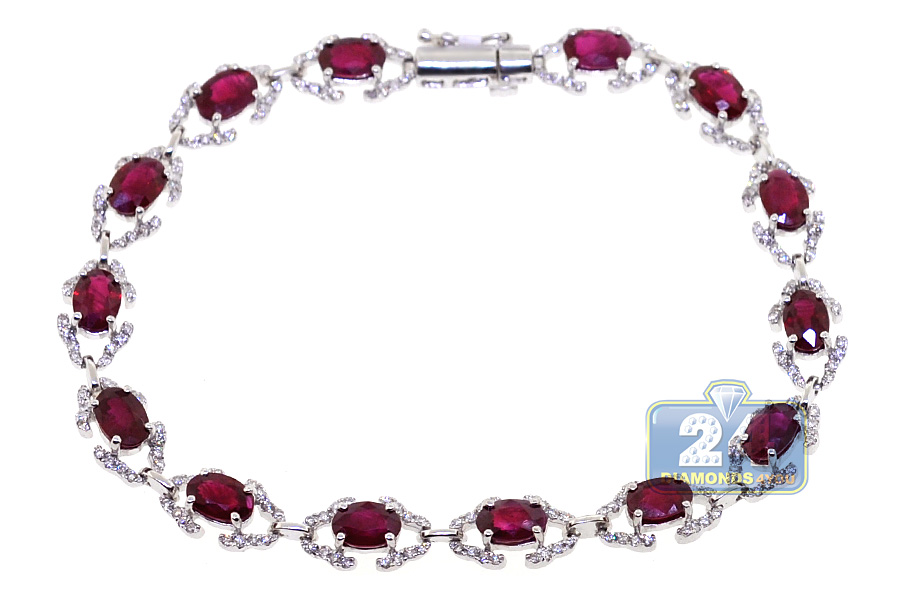
The latest jewelry trend involves gemstones in many different colors – particularly those in red rubies and green emeralds with diamonds sprinkled in to add a little contrast. In the past, jewelry like this was relegated to storage and stashed away for special formal occasions. However, that is no longer the case. 

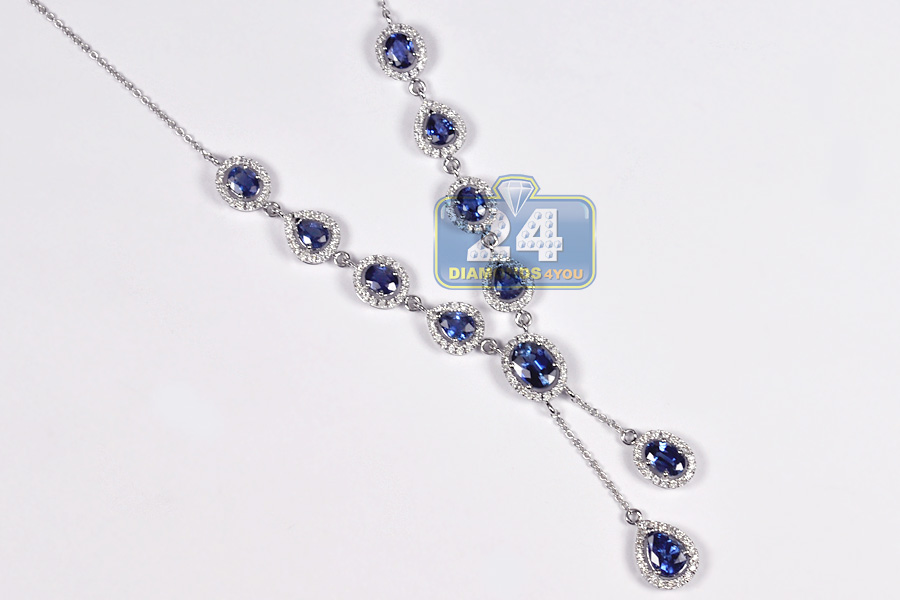
These newest gems in the form of bracelets and necklaces can be worn to formal events, but also to work, to the mall, and even around the house; it all depends on how you wear it. Ruby diamond bracelets can easily be paired with casual wear, just as sapphire necklaces with diamonds can be worn to the office.

Wear Your Diamond Gemstone Jewelry to Work
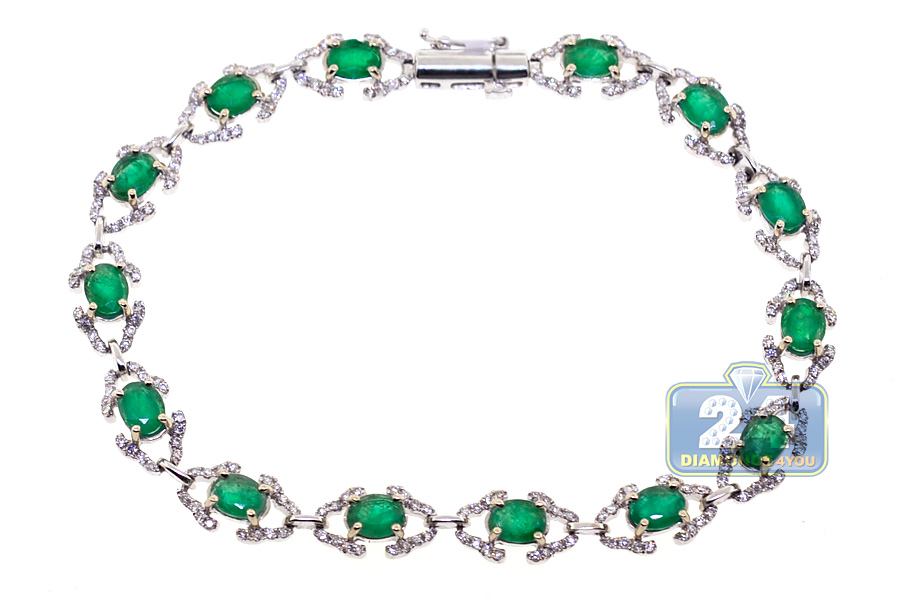
Stunning emerald diamond bracelets look great with a suit and a pair of heels, but it can also go with a pair of trousers and a matching or contrasting cardigan. On hot summer days, consider pairing a sapphire necklace with diamonds and a light sundress covered by a cardigan or blazer, and some dressy sandals – the perfect summer outfit for less formal offices. You can even accent your outfit with several emerald diamond bracelets on stacked on one wrist. There are many different work-related outfits that match well with gemstone jewelry; the trick lies in coordinating them well.


Go Casual with Sparkly Gemstone Bracelets and Necklaces
While there are many casual outfits that go well with diamond gemstone bracelets, one that will not work is your exercise clothing. You can throw on sapphire diamond bracelets, skinny jeans, a colorful top and pair of strappy sandals to run errands or go shopping, but you really can’t wear those bracelets with a pair of sweats and sneakers. Another great outfit that works well with gemstone jewelry consists of a crisp pair of khakis or chinos, a loose blouse and some heeled boots. 


Diamond Gemstone Necklaces are perfect for Formal Occasions
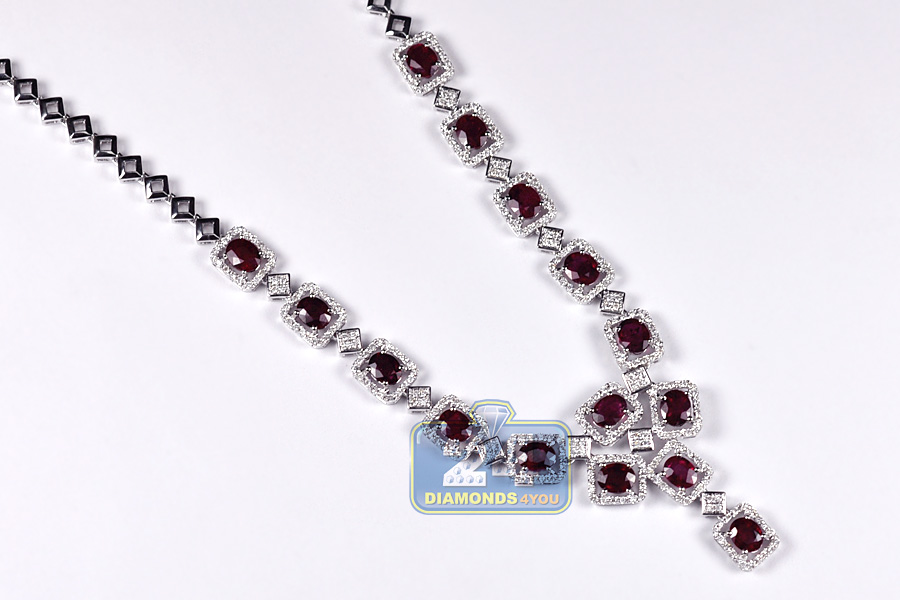
Of course, gemstone jewelry pairs well with evening gowns, heels, and similar outfits for formal occasions. The best part of this is the fact that you don’t need to wear only one necklace; you can make a greater impact with more than one. Combine several ruby necklaces with diamonds and use them to elevate your classic little black dress into something stunning. You can wear diamond gemstone necklaces with dresses of matching colors (a blue dress with sapphire jewelry) or with those in opposing colors (a black or white dress with emerald or ruby jewelry). 

There are a number of different ways to wear diamond gemstone jewelry. You can pair a sapphire necklace or bracelet with a suit and heels and wear them to work. A ruby diamond necklace can be worn with a casual jeans and sandals outfit for a day spent running around town and getting things done. And, last but far from least, emerald gemstone bracelets can be stacked on one wrist and worn with a dress and heels to a semi-formal or formal event. With a little creativity, you can find a way to wear your candy colored gemstone every day of the week. 

We have a large selection of diamond gemstone necklaces & bracelets at www.24diamonds.com